
In Germany's increasingly competitive restaurant sector, businesses need to constantly develop innovative solutions to survive and stand out. While traditional printed menus struggle to meet guests' changing expectations, digital menus bring a breath of fresh air to restaurants. This modern approach not only offers visual appeal but also optimizes operational processes, providing tangible benefits to both business owners and customers. Guests are now seeking a faster, more informative, and more personalized experience.
Why Digital Menus Are Not Just a Trend, But a Necessity
Today's restaurant operators must carefully evaluate every touchpoint to impress their guests and convert them into loyal customers. Digital menus are one of the first and most important indicators of a restaurant's modernity and the value it places on its guests. This technology directly enhances guest satisfaction by allowing easy updates to menu items, visual enrichment, and instant presentation of details such as allergen information. Problems like worn-out, lost, or outdated paper menus are completely eliminated with digital solutions.
The printing costs of traditional menus constitute a non-negligible expense, especially for businesses that frequently change menus or offer seasonal products. For a restaurant in Germany, each menu change can mean hundreds of Euros in printing costs. With digital menus, these costs drop to zero; a new price, a new dish, or an out-of-stock item is instantly updated across all menus. This flexibility allows businesses to adapt quickly to market conditions and avoid unnecessary expenses. Thus, the operational budget can be directed to more strategic areas.
Guests accessing the menu by scanning QR codes with their smartphones or via tablets offers them an interactive discovery experience. Thanks to photos, videos, and detailed product descriptions, guests know exactly what to expect before ordering. The ability to offer menus in different languages, especially in a multicultural country like Germany, provides a significant advantage for foreign guests. This way, the language barrier is removed, and every guest feels valued and understood, which increases their likelihood of returning.
STRATEGIC TAKEAWAY
Compare your traditional menus with digital alternatives now.
The Role of Digital Menus in Operational Efficiency and Cost Advantages
Restaurant management is a highly challenging field in terms of time and resource management. Digital menus offer significant support in overcoming these challenges. Faster menu update processes reduce waiters' constant need to refresh menu knowledge and decrease order-taking errors. When a menu change occurs, instead of individually replacing all printed menus, making an instant general update through a digital system allows your staff to work more efficiently and focus more on guests. This makes a huge difference, especially during peak hours.
From a cost perspective, the initial investment in a digital menu system translates into significant long-term savings. The annual subscription cost for an average digital menu software ranges between 200 and 800 Euros, while a custom solution can start from 1,000 Euros and increase depending on features. In contrast, the printing, design, and replacement costs of regularly printed and worn-out paper menus can amount to thousands of Euros annually. Therefore, although a digital solution may initially seem like an expense, it is actually an investment that optimizes your business's future expenditures. The accumulated savings can then be directed towards other innovative services.
Furthermore, digital menus can be integrated with inventory management, allowing out-of-stock items to be automatically removed from the menu or marked as 'sold out'. This feature prevents guests from finding out an item is unavailable after ordering and avoids disappointment. It reduces the need for staff to be in constant communication with the kitchen, thereby improving service quality. This minimizes unnecessary waits and order disruptions, meaning a smoother experience for both staff and guests. These smart integrations support your business's overall efficiency.
STRATEGIC TAKEAWAY
While printed menus create ongoing costs, digital menus offer long-term savings and flexibility.
Redefining the Guest Experience: Interaction and Personalization
Digital menus transform the guest experience from merely selecting a dish into an interactive journey. Guests can view high-resolution photos of dishes, examine ingredient information, access allergen warnings, and even read chef's recommendations. This transparency and wealth of information are invaluable, especially for guests with special dietary needs or those following specific diets. Guests feel more confident when placing their orders, which increases their overall satisfaction and leaves a positive impression when they leave the restaurant.
Personalization is another powerful tool offered by digital menus. For example, guests can save their favorite dishes, easily access flavors they've tried before, or filter by specific categories. Such features create a sense of recognition from the restaurant, especially for regular customers. Quick access to children's menus for a family restaurant or wine pairing suggestions for a fine-dining establishment makes guests feel special. These personalized approaches strengthen their motivation to return.
Guests being able to access the menu in their own language is a significant convenience for international guests in Germany. A tourist in Berlin can easily browse the menu and place the correct order even without knowing German. This not only removes the language barrier but also makes guests feel more comfortable and free. This level of service demonstrates that the restaurant has a global vision and plays an important role in attracting customers from different cultures. Thus, reaching a wider audience becomes possible.
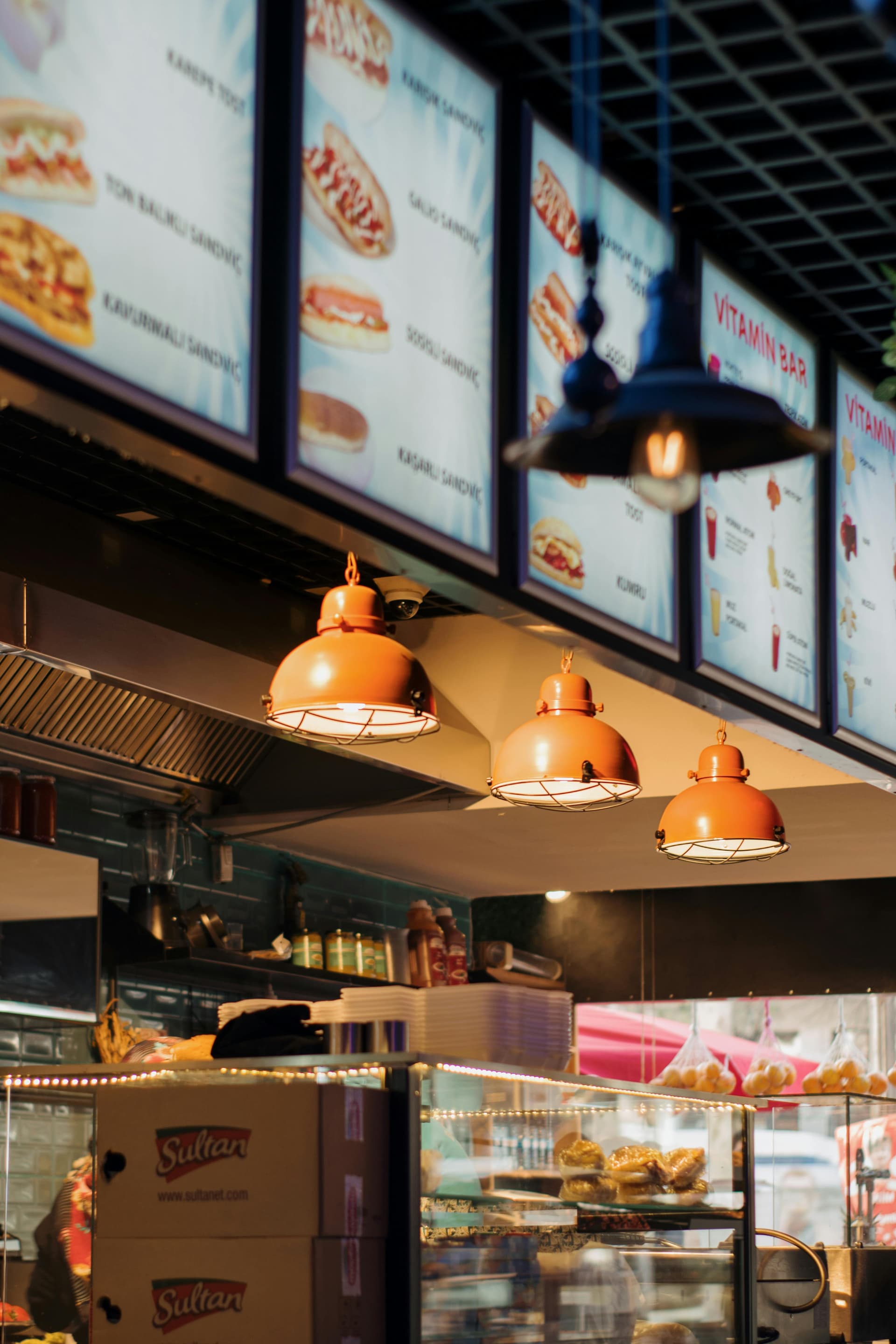
A modern and stylish restaurant environment where guests enjoy ordering through a digital menu.
STRATEGIC TAKEAWAY
How much can your guests interact with your menu?
Digital Menus and Environmental Awareness: A Step Towards Sustainability
Today, businesses' environmental responsibilities are more important to consumers than ever before. Digital menus help restaurants reduce their carbon footprint by eliminating paper consumption. Giving up printing thousands of menu pages annually not only contributes to tree conservation but also reduces environmental pollution sources such as printing ink and waste. This sustainable approach enhances your restaurant's reputation, especially among environmentally conscious guests, and makes them feel they have made the right choice. This is an important criterion valued by modern customers.
Sustainability is no longer just a marketing strategy, but a fundamental value for the future success of businesses. The use of digital menus helps your restaurant project an eco-friendly image, which is an attractive factor for the new generation of customers. Guests can appreciate your restaurant's efforts on social media or environmentally focused platforms, contributing to your organic promotion. Especially in Germany, sustainability certifications and eco-friendly practices are important factors that directly influence customer preferences.
Through digitalization, using resources more efficiently positively impacts the overall cost structure of businesses. Producing less waste and consuming less energy helps businesses become more profitable in the long run. In addition to financial benefits, this situation also strengthens your restaurant's sense of social responsibility. Guests feel good about choosing an environmentally conscious business, which increases their loyalty. This is not just a menu, but also a lifestyle choice.
STRATEGIC TAKEAWAY
End paper waste for an eco-friendly image.
Beyond Menu Design: Brand Identity and Digital Presence
A restaurant's menu is not just a list of dishes, but also an important part of its brand identity. Digital menus can flawlessly reflect all corporate identity elements, from the restaurant's logo to its color palette, fonts, and visual style. This consistency ensures that your brand is more strongly imprinted in guests' minds. While traditional printed menus have design limitations, digital platforms offer a wider scope for creativity and allow you to fully reflect your restaurant's unique atmosphere. This way, guests experience a more cohesive experience.
A digital menu is an integral part of your restaurant's overall digital presence. It can be integrated with your website, social media profiles, and even your reservation system. This integration streamlines all customer interactions with your restaurant. For example, after a guest reviews the menu on their website, they encounter the same familiar interface upon arriving at the restaurant. This holistic experience increases brand trust and strengthens customers' loyalty to your business. This is an indispensable strategy for modern businesses.
Today's customers often consult online platforms before researching or visiting a business. Having a digital menu makes it easier for potential guests to discover your restaurant and review your menu in advance. This emphasizes the importance of local SEO efforts, as online visibility is a vital factor for attracting new customers. Your digital menu, acting as an extension of your website, enriches your online presence and can help you rank higher in search engines. Remember, good web design and an online presence open your business's doors to the digital world.
STRATEGIC TAKEAWAY
A digital menu is not just a food list, but your brand's online face and identity.
Generally, creating a simple digital menu can be completed within a few days. However, more comprehensive projects requiring custom design and integrations may take a few weeks.
Absolutely. Guests accessing the menu from their own devices eliminates the risk of contact that common printed menus might pose. This offers significant reassurance for hygiene-sensitive guests.
Most digital menu platforms are subscription-based, and updates are included in this subscription fee. For custom software solutions, additional support or maintenance fees may be charged for updates.
Some digital menu systems are QR code-based and allow guests to use their own phones. However, for a more interactive experience, specialized hardware like tablets can be offered in the restaurant.
Visual content significantly enhances the appeal of dishes and whets guests' appetite. High-quality photos and videos increase the perceived value of menu items, positively influencing ordering decisions.
Data Analysis and Development: The Hidden Power of Digital Menus
Beyond being just a visual tool for a restaurant, digital menus have the potential to collect valuable data. Information such as which dishes are viewed more, which categories are popular, or how much time guests spend on the menu provides invaluable insights to business owners. With this data, the performance of menu items can be analyzed, inventory management can be optimized, and even new product development processes can be guided. This provides a scientific basis for developing revenue-increasing strategies.
The collected data can also directly influence the restaurant's marketing strategies. For instance, if a particular dish is very popular but not being ordered, its pricing or presentation can be re-evaluated. Or, if interest in a certain category is high at a specific time, special discounts or campaigns for products in that category can be organized during that timeframe. These data-driven decisions enable the restaurant to use its resources more effectively and better meet guest expectations. These strategies are critically important, especially when creating a digital marketing strategy.
In traditional menus, it is almost impossible to understand which dish is viewed more or which price is more attractive. Digital menus, however, make this invisible information visible. This allows business owners to develop strategies based on concrete data rather than intuitive decisions. This approach helps optimize menu item rotations, pricing, and even staff training. Thus, the business constantly finds opportunities to improve itself and offer better service to its guests.
STRATEGIC TAKEAWAY
How much do you know about your menu performance?
Accessibility and Inclusivity: Reaching Every Guest
One of the most important advantages of digital menus is providing accessibility. Features such as increasing text size or screen reader compatibility can be offered to improve readability for elderly guests or visually impaired individuals. This is a convenience difficult to achieve with traditional printed menus. By enabling your restaurant to appeal to guests of all ages and abilities, it expands your customer base and helps your business project an inclusive image. This is also of great importance from a social responsibility perspective.
Multilingual menu options are not a luxury but a necessity for restaurants operating in Germany. Digital menus easily meet this need. Guests can translate the menu into their native language with a single tap. This offers great convenience, especially for tourists and guests from different nationalities in the country, and eliminates communication barriers. Thus, misunderstandings are reduced, and guests are sure they fully understand their orders. When combined with local SEO strategies in Munich, Berlin, and Hamburg, this helps your restaurant gain international recognition.
The inclusivity offered by digital menus allows your restaurant to reach a wider audience. Creating an environment where every guest feels welcome and comfortable forms the basis of positive word-of-mouth marketing. Happy guests share their experiences with others, helping you attract new customers. Therefore, accessibility is not just an ethical responsibility but also a strategic investment for your business's growth. It's an advantage every business in Germany should aim for.
STRATEGIC TAKEAWAY
An accessible menu not only removes barriers but also expands your customer base.
Digital Menu Integration for the Restaurant of the Future
For modern restaurants, digital menus are not just a menu, but also the starting point of a broad integration ecosystem. They can be seamlessly integrated with online reservation systems, loyalty programs, or even online payment systems. This integrated approach allows guests to manage all their interactions with the restaurant through a single digital platform. This seamless experience simplifies customers' lives and demonstrates how much the restaurant values technology. Thus, guests receive service with less friction.
Integrated digital menus can reduce your staff's workload. For example, when guests place their orders directly via tablet, the time loss during the waiter's order-taking process is eliminated. This gives them the opportunity to interact more with guests, fulfill special requests, or offer extra services. As a result, service quality improves, and guests receive more personalized service. This increase in efficiency improves the restaurant's overall operational flow and ensures smooth operation even during peak hours.
The future potential of digital menus is quite extensive. AI-powered recommendation engines can offer food suggestions based on guests' previous orders or preferences. Innovative features like 3D visualization of dishes with virtual reality (VR) can also take the menu experience to the next level. Such technological integrations allow your restaurant to project an innovative and future-oriented image. This is critically important for standing out in industry competition and establishing a lasting place in guests' minds.
STRATEGIC TAKEAWAY
The future is in integration: Make your menu a part of your ecosystem.
Ignoring the Risks: The Cost of Not Digitalizing
Resisting digitalization carries serious risks for businesses in today's competitive market. Sticking with traditional printed menus not only leads to operational inefficiencies but also creates an outdated image in the eyes of customers. In an era where guests are accustomed to managing everything with their mobile devices, they may perceive restaurants that do not offer a digital menu as technologically distant and closed to innovation. This situation can cause potential customers to turn to your competitors and lead to your business losing market share.
Another cost of not using a digital menu is the limitation of feedback collection and adaptation capability. With traditional menus, it is difficult to understand which dishes are popular or what additional information guests are looking for. This lack of information causes your business to fail to respond quickly to changing market demands or guest expectations. While your competitors dynamically update their menus, you fall behind with manual processes. This reduces your pace of innovation and weakens your competitive advantage.
With increasing hygiene concerns and sustainability awareness, printed menus can become a deterrent factor for some guests. Especially in the post-COVID-19 era, contactless solutions have become a preference for guests. The absence of digital menus means you cannot address these sensitivities, which can lead to losing certain customer segments. When your guests prefer places offering digital solutions, and you continue with old methods, your long-term profitability may decrease, and your business's future could be jeopardized.
STRATEGIC TAKEAWAY
Not digitalizing is not just a deficiency, but lost customers and decreased efficiency.
Market Solutions and Return on Investment (ROI) Expectations
There are many different solutions available in the digital menu market. Entry-level, platforms offering ready-made templates can be easily deployed at a cost of 20-50 Euros per month. These are ideal for small businesses looking for a quick and affordable start. Mid-level solutions offer more customization and integration options and are priced in the 50-150 Euro per month range. Fully custom-designed and integrated systems can cost several thousand Euros annually, but these solutions are suitable for more complex and large-scale restaurants. The choice should be made based on your business size and needs.
The return on investment (ROI) for a digital menu depends on various factors. Firstly, savings from printing costs provide a direct financial return. Furthermore, the speed and ease of menu updates allow staff to use their time more efficiently, reducing operational costs. Increased guest satisfaction and a better experience can boost the number of repeat customers and, consequently, your business's revenue. When a guest has a positive experience, they both return themselves and recommend it to their circle.
In the long term, the data analysis capabilities offered by digital menus help your business make strategic decisions. Knowing which dishes sell more provides an opportunity to increase profitability through menu optimization. Moreover, a digitalized image increases your restaurant's market value and makes it more attractive to potential new customers. A restaurant in Germany saving an average of 500-1000 Euros per month or seeing a significant increase in guest numbers ensures that the digital menu investment pays for itself in a short period. This is a significant gain for both reputation and turnover.
STRATEGIC TAKEAWAY
Which solution will you choose to maximize your investment's return?
For restaurant operators in Germany, digital menus are not merely a technological innovation, but a strategic investment that transforms the guest experience, enhances operational efficiency, and builds a sustainable future. This modern solution offers both cost advantages and strengthens your business's brand image. In today's dynamic market, every restaurant aiming to gain a competitive edge and meet future guest expectations must seriously consider transitioning to a digital menu—it is an inevitable necessity.