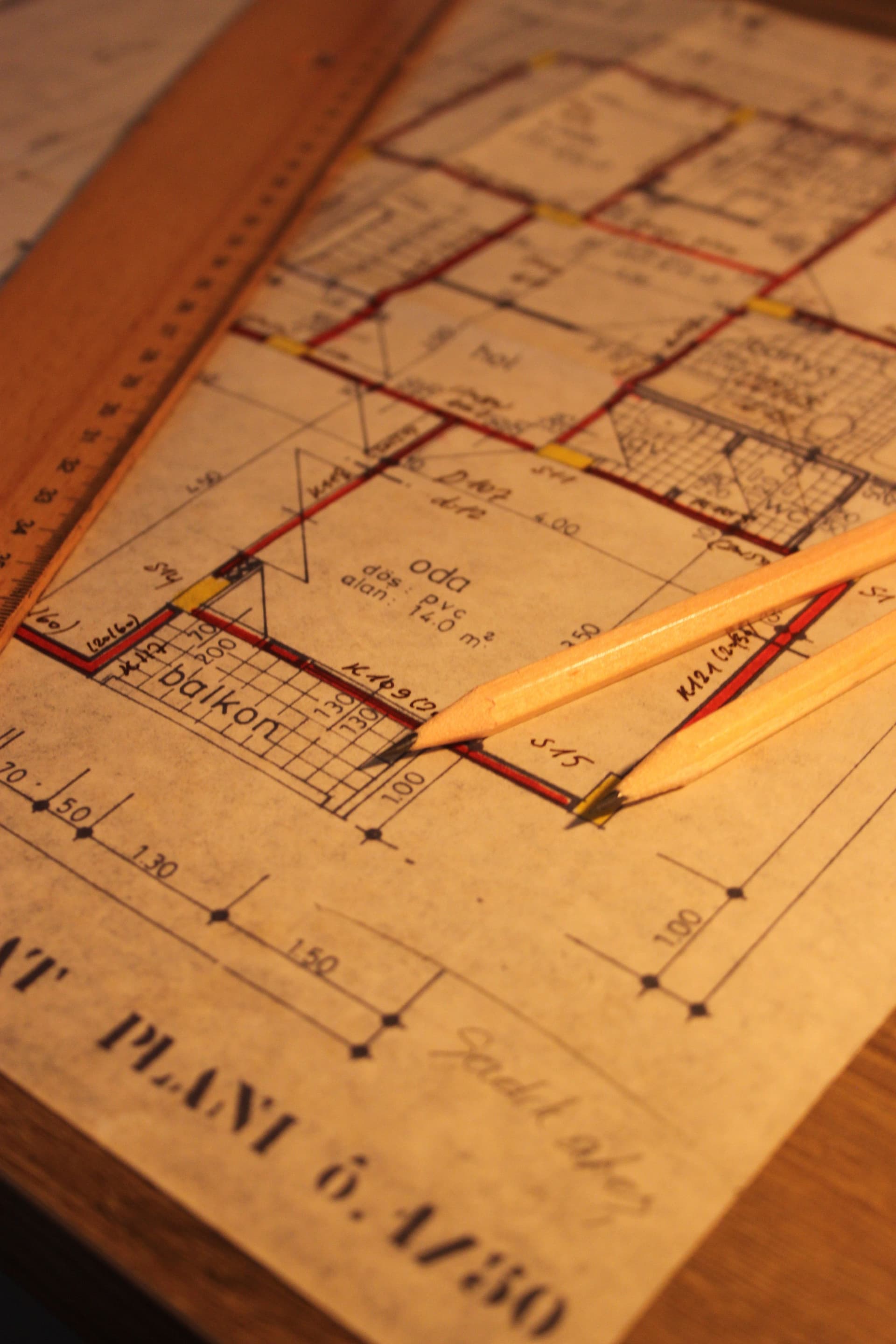

When looking at two-dimensional technical drawings prepared for their company's new headquarters, a CEO might only envision empty walls and cold concrete blocks. The modern office vision in the architect's mind—vibrant, dynamic, and boosting employee productivity—often gets lost among technical details. Unless decision-makers can concretely feel the finished state of the project, they hesitate to sign off or approve budgets. The way to overcome this bottleneck is through digital tools that transform the client from a passive viewer into a decision-maker at the center of the design.
1. Visualization Technologies Lifting the Veil for the Client
The biggest risk in architectural projects is the gap between client expectations and the final outcome. Static rendering works used in traditional methods show only a specific angle and lighting of the project. However, thanks to an interactive interface, the user can virtually wander through office corridors and personally experience the spaciousness created by the ceiling height. When viewed through the lens of commercial real estate UX trends, this approach radically accelerates leasing and sales processes. The moment the client is included in the project, a sense of ownership begins to develop.
Not just looking, but also intervening must be part of the process. For a manager who cannot decide whether a meeting room looks better with glass partitions or soundproofed wooden panels, an instant swap button is a lifesaver. Changing the material texture with a single click on the screen is not just an aesthetic choice, but also an operational decision. This technology allows the vision presented by the architect to be transformed into a 'buyable' reality by the client. Static images give way to living, responsive, and storytelling digital spaces.
A deeply designed digital experience expands the decision-maker's comfort zone by simplifying the technical complexity of the project. The human brain struggles to visualize a three-dimensional space on a two-dimensional sheet of paper; this is a biological limitation. Interactive simulators overcome this biological barrier and appeal directly to the senses. A properly structured user experience allows the client to think about the value added by the project rather than its cost. For architectural firms, this is not just a presentation tool, but a trust-building mechanism.
STRATEGIC TAKEAWAY
Do your clients just see your project, or do they live in it?
2. Building Trust with Instant Budget Update Technologies
The most painful point of the design process is usually budget revisions. When the imported marble chosen by the architect does not match the cost plan in the client's mind, the project can be put on hold for weeks. Interactive budget simulators turn this process from a bargaining table into an engineering solution. If the client instantly sees how the total cost of the project is affected when they change the flooring material, they base their decisions on more rational foundations. Using a transparent corporate budget calculator tool becomes one of the strongest proofs of the architecture firm's professionalism and honesty.
Cost transparency eliminates the client's question of 'am I paying too much?'. A business person testing different scenarios (economic, standard, premium) on the simulator feels responsible for the outcome because they set the project boundaries themselves. This greatly minimizes 'additional cost' disputes that may arise in the later stages of the project. A software infrastructure that provides real-time data flow acts not just as a calculator, but as a navigation system charting the financial course of the project. The foundation of trust is the elimination of uncertainty.
Budget simulators can also work integrated with the material supply chain. A system pulling current market data provides the client with a highly probable cost breakdown rather than just an estimated figure. This incredibly facilitates the approval process of finance departments, especially in large-scale corporate office projects. The architect rises to the position of a strategist who uses the client's resources in the most efficient way, not just an aesthetic designer. Digitalization increases the market value of the firm by combining the technical power of architecture with financial intelligence.
STRATEGIC TAKEAWAY
Offer your clients instant data transparency instead of budget uncertainty.

An interactive budget and material selection screen presented to a client in an architecture office.
3. Making Material Texture Felt on the Digital Screen
Every detail, from office furniture to lighting fixtures, reflects a brand's corporate identity. However, selecting a fabric sample from a catalog is not the same as estimating how that fabric will look in a 500-square-meter open office space. Thanks to high-resolution texture scans and physically based rendering (PBR) technologies, it is possible to flawlessly simulate how a surface reflects light or meets shadow in a digital environment. A web design and visualization infrastructure of this depth allows the client to satisfy their sense of touch digitally.
Material selection is not just an aesthetic preference; it also includes technical parameters such as acoustics and sustainability. An advanced simulator can numerically present how much the selected carpet tiles will reduce noise reverberation in the office, or the energy-saving contribution of the chosen window film. The client decides by looking at performance data, not just color. This level of information elevates the architecture firm from a regular designer to a professional consultant. Technology serves as a bridge that transforms abstract concepts into concrete benefits.
Another advantage offered by simulators is the ability to try unlimited variations. While bringing, approving, and changing physical samples is a logistical burden taking days, in the digital world this process takes seconds. The client can see how the material changes under different lighting scenarios. For a manager wondering what the office atmosphere will be like in the evening, simulating daylight brings the project's persuasiveness to its peak. Digital libraries free creativity by taking design boundaries beyond physical constraints.
STRATEGIC TAKEAWAY
A static catalog offers only one option; an interactive simulator proves the future performance of that option.
4. Collaborative Design Platforms Strengthening Cooperation
Corporate projects rarely progress on the decision of a single person. They usually require the approval of different stakeholders, such as a board of directors, HR director, and operations manager. Interactive simulators, with their cloud-based working principle, allow all stakeholders to take notes and indicate their preferences on the same model. While this collective working discipline shortens project approval times, it prevents misunderstandings. Custom software solutions working in the background ensure that revisions are instantly reflected on all screens, making communication continuous and transparent.
Requests like 'let's pull this wall a bit to the left,' which get lost in traditional email traffic, are replaced by coordinated and visual markings thanks to digital platforms. When a client changes the position of a desk on the office layout plan, they can see a system warning on how this affects the electrical infrastructure or walkways. This educational approach solidifies the architect's authority by helping the client understand architectural challenges. Presenting complex technical processes with a user-friendly interface maximizes trust and satisfaction in the project.
The 'history' feature within the platform is also critical in documenting where the design came from. The differences between the vision in the first meeting and the final version can be presented as proof of the value added to the client. Additionally, data from the simulator can be directly transferred to the production line or furniture supplier. This integrated approach allows the design firm to work like a technology hub managing the entire process, not just generating ideas. Digitalized workflows minimize operational errors to near zero, directly protecting the profitability of the project.
STRATEGIC TAKEAWAY
How many working days are you losing in your project due to communication breakdowns?
5. Emotional Connection via Lighting and Mood Simulation
The success of an office is measured not just by ergonomics, but by how the employees feel there. The tone of light is the most critical element in determining whether a workspace is a focus zone or a socialization area. Interactive simulators can calculate the natural light entering the space on a seasonal and hourly basis. When the client sees how much light their office will receive even on the darkest day of winter, they focus more on the human dimension of the project. This level of sensitivity is the most effective way to flawlessly reflect a brand's corporate identity values into the physical space.
Setting up light plays so realistically in a digital environment allows the client to buy the 'atmosphere' of the office. Simulating the peace employees will feel during a coffee break, instead of just presenting a technical lighting plan, increases sales closure power. Modern render engines can project the energy of the space onto the screen using actual physical light values. In this way, the investor feels they are investing not just in a real estate project, but in an ecosystem that feeds the corporate culture. Technology appealing to emotions is the strongest ally of rational decisions.
Options within the simulation, such as 'night mode' or 'event mode', reveal the multi-functional use potential of the space. A client who sees how office spaces can be transformed not only for working hours but also for corporate invitations or trainings will be amazed by the project's flexibility. This flexibility is a factor that increases the future value of the project. Every scenario presented by the architect fills a gap in the client's imagination, eliminating uncertainty. Making the soul of the space visible through technology is the purest form of architecture.
STRATEGIC TAKEAWAY
Showcase not just the shape of your spaces, but their soul in the digital realm.
6. Preparing for the Future: Scalability Simulators
Investing in an office for a corporate company is planning not just for today, but for the next 10 years. How new departments added as the company grows or the increasing number of employees will fit into the existing space is a major question mark. Interactive scalability simulators are used to test how the project will respond to different growth scenarios. By dragging a slider to increase the number of employees, the client can instantly see how desks can be repositioned or which areas need to be divided. This proves that the project is a 'sustainable' investment.
Flexibility is the heart of modern office design. The advantages provided by modular furniture systems or movable wall panels cannot be easily understood in static plans. However, in an interactive model, the client can personally experience how a meeting room turns into two small meeting rooms in seconds. This dynamic presentation format allows the client to grasp the long-term cost efficiency of the project. Simulating the cost and complexity of a future renovation today gives the client an invaluable sense of security. Design transforms into a living organism.
These simulators can also offer optimization for hybrid working models. How energy consumption or space utilization will change according to employee density coming to the office on certain days of the week can be backed by data. Thanks to technology, the client realizes they are buying a smart business management platform, not just an office. Using this data, architecture firms can present their designs not just as an aesthetic success but as an operational success story. Simulating the future is the safest way to foresee it.
STRATEGIC TAKEAWAY
An architect who plans today only designs; an architect who simulates the future becomes a strategic partner.
7. Mobile Solutions Digitizing Construction Site Visits
While the office project is ongoing, it is inevitable for the client to visit the construction site and ask 'how will this place look?'. It is hard to maintain a vision in a dusty and chaotic construction area. Augmented reality (AR)-powered mobile simulators allow the client to hold their smartphone to an empty wall and see the finished reception desk or digital displays there. This is one of the most physical and impressive ways to break down the imagination barrier. Uncertainty on the construction site disappears instantly, replaced by excitement. This technological touch keeps client satisfaction at its peak.
Another advantage provided by mobile simulators is instant approval processes. When a detail needs to be changed due to an unexpected technical difficulty encountered on site, the architect can immediately show the new solution to the client via AR. When the client sees the result of the change on-site and in real dimensions, approval becomes much faster. This is a critical advantage protecting the project delivery time. Technology turns the construction site from a stress center into a theater stage where the vision is realized step by step.
Additionally, these mobile tools can be used for furniture placement in the final stage of the project. The client can test on their own device how a liked piece of art or a new office chair will look in the space. This kind of interaction ensures that the client remains connected to the architecture firm even after the project is completed. Digital tools transform the service process from a simple delivery transaction into an ongoing experience. Client loyalty increases in direct proportion to the technological comfort you offer.
STRATEGIC TAKEAWAY
How about resolving the uncertainty on the construction site with technology right in your client's pocket?
8. From Data to Contract: The Sales Power of Simulator Outputs
Data obtained at the end of an interactive process forms the backbone of the project's final contract and technical specifications. All materials, color codes, and budget items selected by the client on the simulator can automatically turn into a specification list. This is a legal safeguard that eliminates the margin of error for both the architect and the client. The sentence 'we did not discuss it this way' loses its validity in a world of digital records. Data collected throughout the process creates a digital memory that guarantees transparency and professionalism at every stage.
In the final stage of the sales process, the 'custom digital file' presented to the client shows that the project is not just a building. This file contains all interactive elements such as the 3D model of the project, budget history, and material palette. This is a powerful marketing tool the client can use when presenting their project to others (e.g., investors or employees). The design firm delivers not just an office, but a digital instrument with which the client can sell or promote that office. This added value propels the firm's competitiveness far ahead of its rivals.
In conclusion, interactive simulators are not a luxury, but an indispensable part of modern architectural practice. They turn doubts in the minds of decision-makers into data, and fears into experiences. Firms that combine technology with design in such an organic way do not just build beautiful buildings, but also establish a smooth and profitable business model. Breaking down the client's imagination barrier is actually about offering them more than they can imagine with a tangible digital reality. This journey begins with the first click and ends with a lifelong relationship of trust.
STRATEGIC TAKEAWAY
Turn your digital data into your project's strongest sales argument.
Once the software infrastructure is established, it actually reduces the overall operational cost of the project by shortening revision times and preventing errors. In the long run, it supports the firm's profitability by accelerating client conversion rates.
Modern simulators are designed with interfaces as simple and intuitive as smartphone apps, requiring no technical knowledge. Users can easily master the entire project using only drag-and-drop and click actions.
When integrated with current market data and supplier lists, the system produces results that perfectly match actual costs. This eliminates uncertainties in the financial planning of the project, offering a secure foundation.
Thanks to cloud-based solutions and modular software, any organization from boutique offices to large-scale firms can establish a digital infrastructure suitable for their needs. Technology provides a competitive advantage regardless of scale.
All material and budget choices approved in the digital environment can be included in contract annexes as time-stamped data. This creates a legal reference for both parties during the execution stage of the project.
Breaking down the imagination barrier in architectural design is not just about giving the client a building, but giving them the peace of mind of right decisions made in every corner. Interactive simulators are the most modern and effective tools to build this peace of mind.